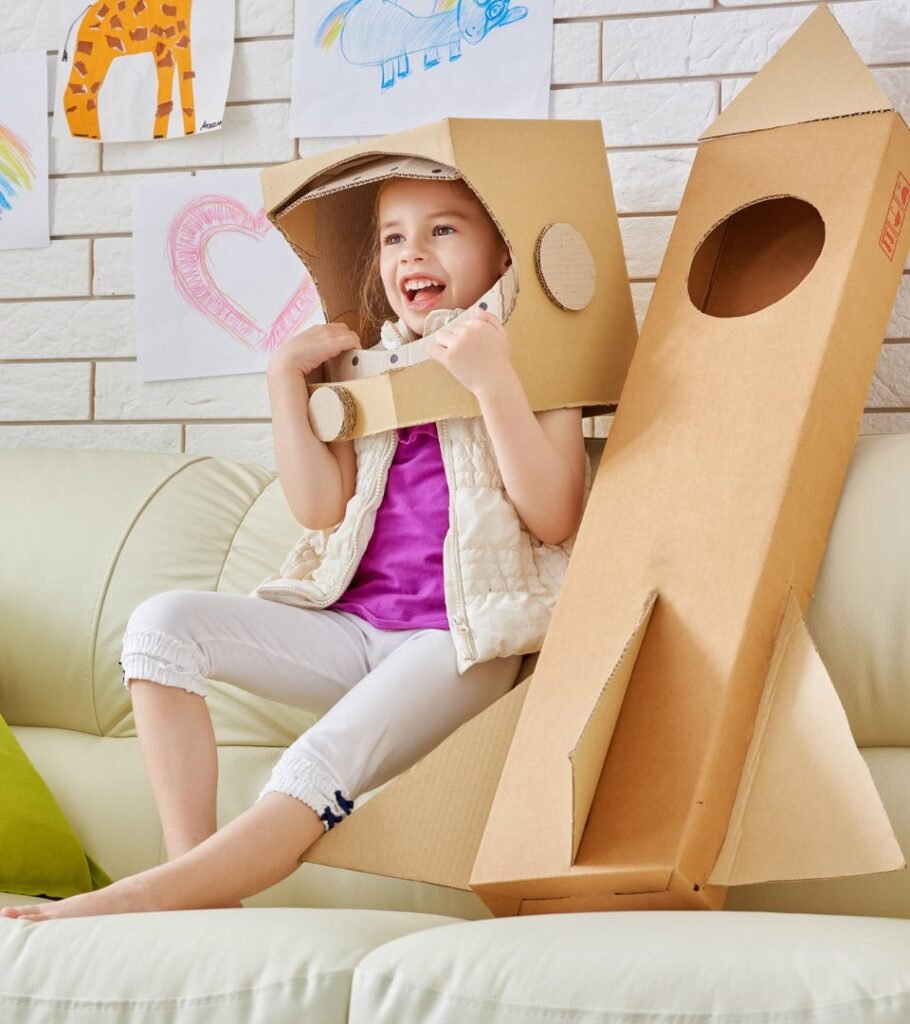
In the whirlwind of today’s fast-paced world, where every moment counts and every decision shapes the future, one truth stands undeniable: the ability to solve problems swiftly and creatively is not just an advantage – it’s a necessity. Imagine a child, eyes wide with curiosity, hands trembling with excitement, as they piece together a robot from a jumble of parts. With each connection, a spark of understanding ignites. This isn’t just play; it’s the foundation of a mind that will one day tackle the world’s most pressing challenges. Welcome to the transformative power of robotics in household education – a realm where innovation meets imagination, and every challenge is an opportunity waiting to be seized.
The Surge of Robotics in Household Education
Gone are the days when robotics was confined to the realms of elite laboratories and specialized institutions. Today, it’s making its way into the heart of our homes, revolutionizing household education. Parents, once mere observers, are now active participants in their children’s learning journeys. Together, they delve into the intricacies of building and programming robots, transforming everyday moments into profound learning experiences. This shift isn’t just about adopting new tools; it’s about embracing a mindset that values creativity, critical thinking, and collaboration. As families engage in these hands-on activities, they cultivate an environment where problem-solving isn’t just taught – it’s lived.
Igniting Problem-Solving Through Hands-On Robotics
There’s a unique magic in the tactile experience of building something from scratch. The feel of components snapping together, the hum of motors coming to life, and the glow of LEDs signaling success – these sensory experiences are more than just milestones; they’re lessons in resilience and ingenuity. As children encounter challenges – be it a malfunctioning sensor or a misaligned wheel – they don’t just seek solutions; they innovate. They learn to hypothesize, test, and iterate, developing a mindset that views obstacles as stepping stones rather than setbacks. This hands-on approach to problem-solving fosters a deep understanding of cause and effect, preparing young minds to tackle real-world challenges with confidence and creativity.
Fostering Innovation Through Iterative Design
Innovation isn’t born from perfection; it’s born from iteration. In the world of robotics, failure isn’t a defeat – it’s a discovery. Each misstep offers invaluable insights, guiding the next attempt toward success. This iterative process teaches children the importance of perseverance, adaptability, and continuous improvement. As they refine their creations, they also refine their thinking, learning to approach problems from multiple angles and consider a plethora of solutions. This mindset of constant evolution is the bedrock of innovation, equipping young learners with the tools to not only adapt to the future but to shape it.
Integrating Robotics into Daily Household Activities
Imagine a morning routine where children don’t just prepare for school – they program a robot to assist with chores. From setting the table to organizing study materials, robotics can seamlessly integrate into daily household activities. This integration transforms mundane tasks into engaging learning experiences, where children apply their problem-solving skills in practical scenarios. As they program robots to perform specific functions, they encounter real-world challenges that require creative solutions, reinforcing the lessons learned during structured activities. This fusion of learning and daily life ensures that problem-solving becomes second nature, ingrained in every action and decision.
Collaborative Learning: Building Together, Learning Together
There’s a profound power in collaboration. When children work together on robotics projects, they not only pool their knowledge and skills but also learn the invaluable lessons of communication, teamwork, and empathy. As they navigate challenges, they share ideas, debate solutions, and celebrate successes together. This collaborative environment mirrors real-world scenarios, where teamwork is essential for innovation and problem-solving. By fostering these collaborative experiences within the household, families create a microcosm of the broader world, preparing children to thrive in diverse, team-oriented environments.
Empowering Parents as Co-Learners
In the realm of household education, parents are no longer mere facilitators – they’re co-learners. As they engage in robotics activities alongside their children, they not only model a growth mindset but also deepen their own understanding of technology and problem-solving. This shared learning journey strengthens family bonds and creates a culture of continuous learning within the home. Parents who embrace this role become active participants in their children’s educational experiences, providing guidance, encouragement, and support as they navigate the challenges and triumphs of robotics.
Real-World Success Stories: From Home Projects to Global Competitions
The impact of robotics in household education isn’t just theoretical – it’s tangible and transformative. Across the globe, families have embarked on robotics projects that have propelled their children to new heights. For instance, in Midland ISD, third-grade students, equipped with LEGO robotics kits and supported by community donations, have designed and programmed robots that perform specific tasks, showcasing their problem-solving and engineering skills. These projects have not only enhanced their technical abilities but have also instilled a sense of confidence and accomplishment, proving that with the right tools and support, young learners can achieve remarkable feats. Such success stories serve as a testament to the power of integrating robotics into household education, inspiring families everywhere to embark on their own journeys of discovery and innovation.
Preparing for the Future: Robotics as a Gateway to STEM Careers
The world is rapidly evolving, and the future belongs to those who can navigate its complexities with skill and creativity. Robotics serves as a gateway to STEM (Science, Technology, Engineering, and Mathematics) careers, providing children with the foundational skills needed to excel in these fields. Through robotics activities, children develop technical proficiency, critical thinking, and problem-solving abilities – skills that are highly valued in the modern workforce. By introducing robotics into household education, parents equip their children with the tools to not only participate in the future but to lead it, fostering a generation of innovators, engineers, and problem-solvers poised to make a lasting impact on the world.
Seizing the Moment: Why Now Is the Time to Embrace Robotics in Household Education
The opportunity to integrate robotics into household education has never been more accessible or more urgent. With a plethora of resources, kits, and online platforms available, families can embark on this transformative journey with ease and excitement. The benefits are clear: enhanced problem-solving skills, fostered innovation, and a deeper connection to the learning process. As the world continues to change at an unprecedented pace, embracing robotics in household education isn’t just an option – it’s a necessity. Don’t let this moment pass by. Equip your family with the tools to innovate, create, and solve the problems of tomorrow, today.
As you foster creativity and innovation in your household, consider also the enriching experiences that await you beyond education. Embracing the winter season offers a unique chance to explore the breathtaking beauty of Europe, particularly in Austria, where you can discover some of the best places to visit in Austria winter that combine adventure and culture in stunning landscapes.